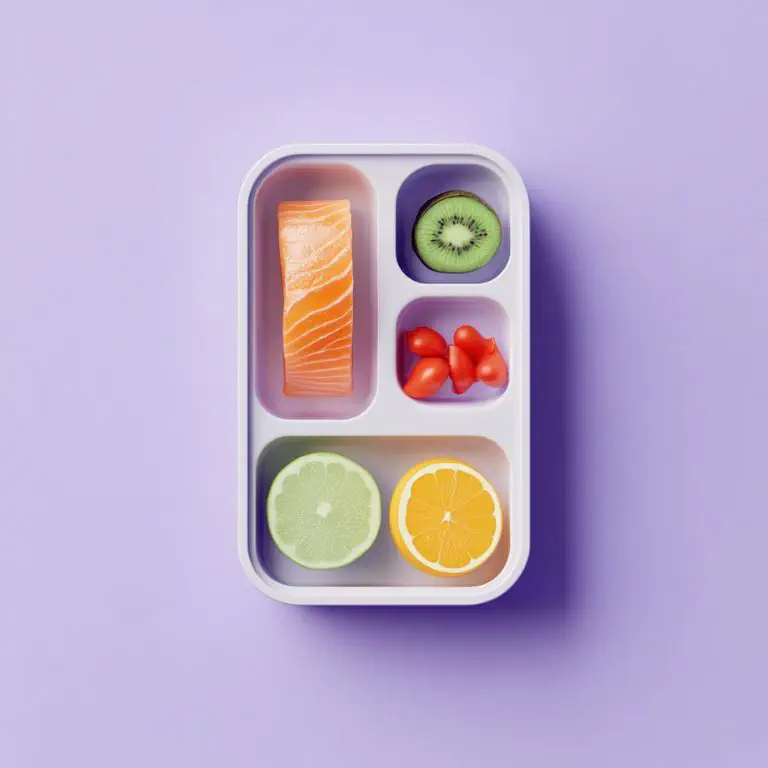
Eating as cheaply and healthily as possible with little time – a trend from the USA promises exactly that. In stressful everyday life, a balanced diet often falls by the wayside. Instead, we often reach for fast food or unhealthy snacks during our lunch breaks, for example, to satisfy our cravings. In this article, you will find out what meal prep is all about, what you should keep in mind when meal prepping and how you can create a smart weekly meal prep plan.
What exactly is meal prep? #
Meal prep is short for meal preparation. The idea behind it is that you cook your favorite dishes in advance in large quantities so that they are ready to eat over the following days and can be reheated or finished in just a few minutes.
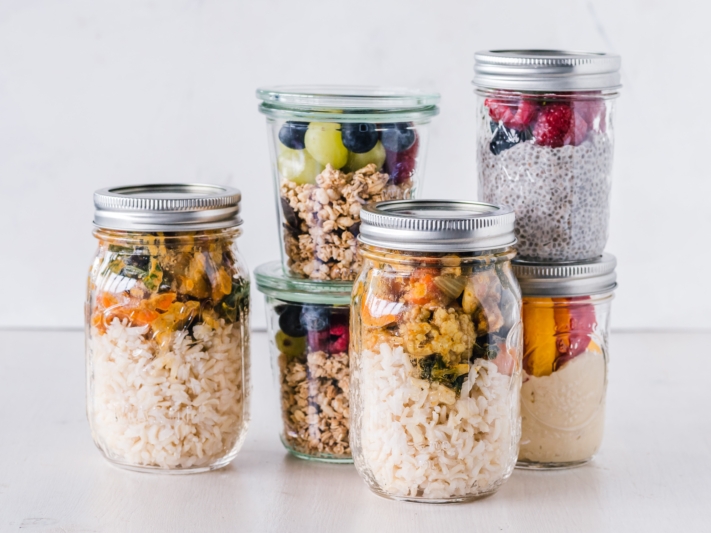
A variety of dishes can be conjured up from just a few ingredients.
Where does the meal prep trend come from?
Who is meal prep suitable for?
How many days in advance can you cook meals?
Advantages and disadvantages of meal prep #
Meal prep has some unbeatable advantages – both over cooking fresh meals every day and over ready meals from the supermarket or take-away restaurant.
The advantages #
- Saves time: You don’t have to spend hours in the kitchen every evening, but can prepare your meals for several days and combine them in different variations.
- Saves money: Ready meals are usually more expensive than cooking yourself, and larger quantities of food cost proportionally less than small packs.
- Tailored to you: Unlike ready meals, you can adapt home-cooked dishes to your own needs and preferences and refine them as you like.
- Promotes healthy eating: Home-cooked meals often contain less sugar, fat and salt – you know what you are eating and can adapt the recipes to your nutritional goals.
- Reduces food waste: You can avoid opened packs and spoiled ingredients by buying fresh food in the right quantities and using it up completely right away.
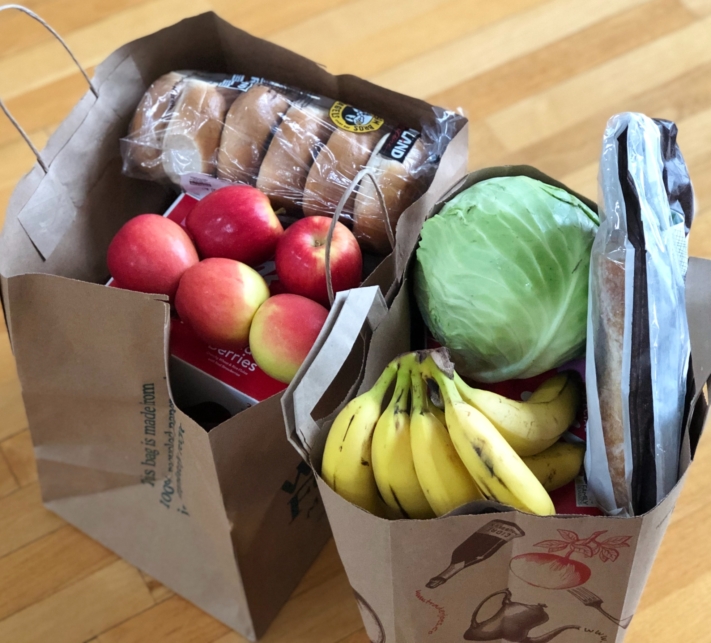
Targeted shopping saves you money and time because you only buy the food you really need.
The disadvantages #
Sounds too good to be true? Like many food trends, meal prep can’t solve every problem, of course. In addition to the obvious advantages, there are also drawbacks that you should consider before you take up meal prep.
- Limited shelf life: Some foods and dishes (e.g. salads) are not suitable for long-term storage, as they quickly go bad or lose their texture or flavor.
- Makes you inflexible: A spontaneous meal at a restaurant can mess up your meal plan. In the worst case, you have to throw away spoiled food or pre-cooked portions.
- Monotony: Even your favorite dishes can lose their appeal when you eat them for the third day in a row. Below, however, you will find out how to add variety to your pre-cooked meals.
- Storage costs: Anyone who cooks for several days in advance needs enough space in their fridge or freezer as well as the right storage containers.
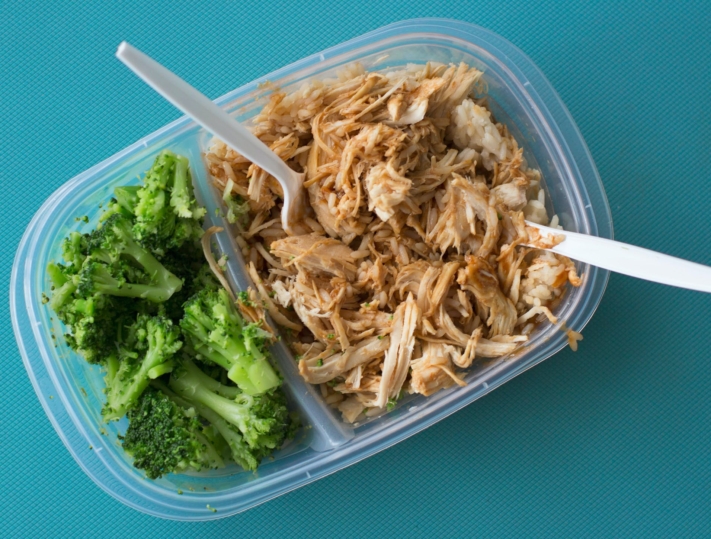
Be creative and make sure your dishes are as varied as possible.
Step by step to the perfect meal prep #
To make your meal prep mission a success, you first need a meal plan. The following five steps will help you with the process.
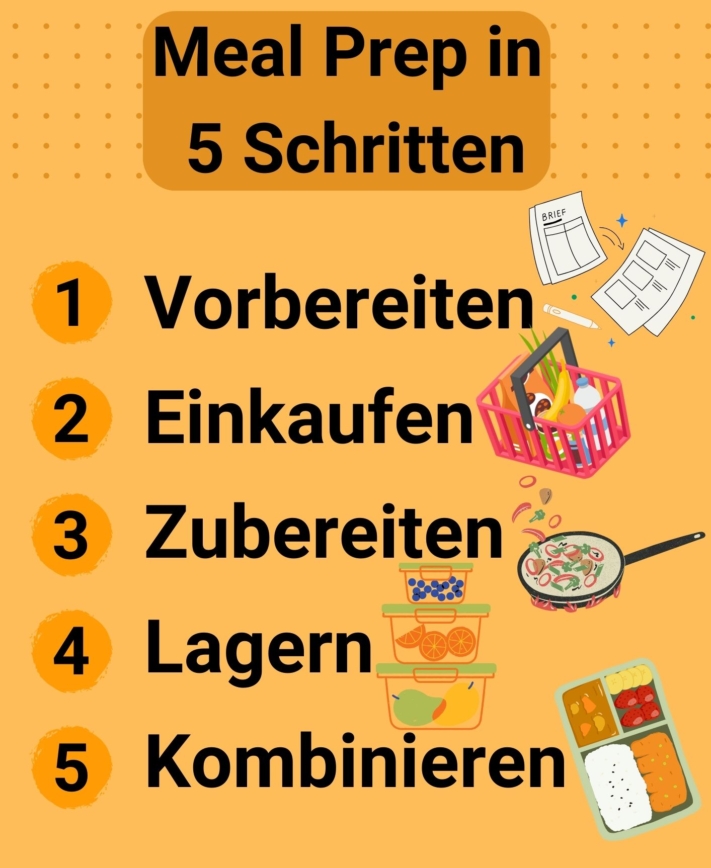
With the right planning, even inexperienced cooks can succeed at meal prep.
1. Plan #
First, ask yourself how many days you want to cook in advance. For meal prep beginners, it is a good idea to start by cooking for two or three days to get used to the effort and gradually develop a routine. Look for suitable meal prep recipes. These should contain foods that you like to eat. The composition of your meal is also important. For a balanced diet, your meals should contain the following:
- Proteins: Good sources are meat, fish and dairy products, but also tofu and legumes.
- Vegetables: Fresh and seasonal is best, but frozen vegetables also contain plenty of vitamins and nutrients.
- Carbohydrates: Potatoes, rice and pasta are particularly suitable.
- Fats: Plant-based fats such as olive oil contain more unsaturated fatty acids and are therefore healthier than animal fats.
2. Shop #
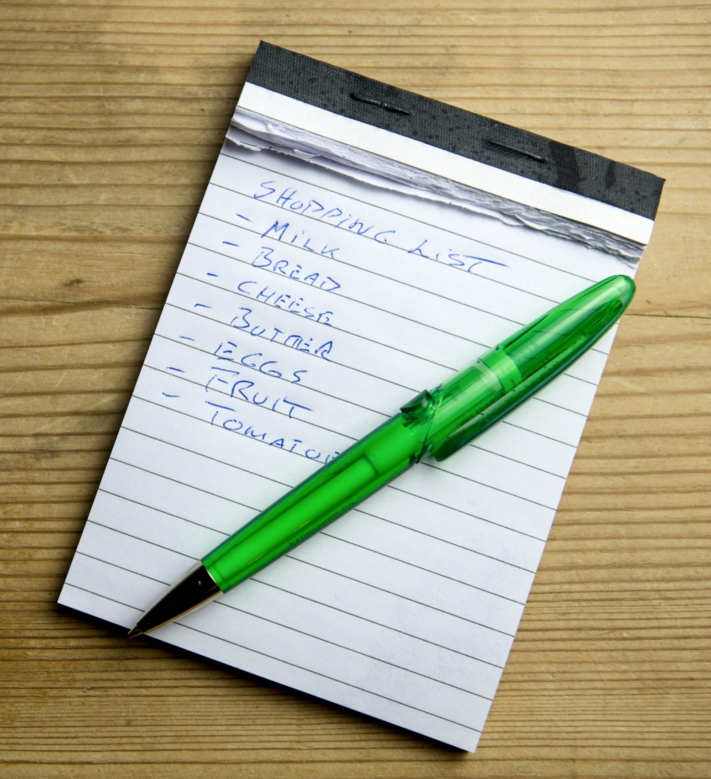
The recipes have been selected, now all you need are the ingredients. List what you need and in what quantities so that you can keep track of everything while shopping. A shopping list also helps you buy only the food you really need for your meals. Make sure to buy fresh and perishable goods only when you can process them right away.
3. Cook #
Now comes the most time-consuming part of meal prep. Take enough time to prepare all your food, ideally two to three hours on a day of your choice. Fry, boil, steam or bake the ingredients separately, as they have different cooking times and would otherwise turn into a uniform mush. In addition to the main meals, you can also prepare small snacks for in between. These could be homemade granola bars, for example.
4. Store #
To ensure that the prepared ingredients stay fresh long enough and retain their flavor, you should store them separately. Special boxes with dividers are suitable for meal prep, for example. Store the food in airtight containers made of glass or sturdy plastic. Preferably keep the prepared dishes in the fridge or freeze them.
5. Combine #
The last step of meal prep is the easiest. Take the prepared components out of the fridge and put together a dish as you like. Different combinations provide variety in flavor. Pack your creation securely for transport or heat it up and enjoy your healthy and delicious home-cooked meal right away!
Example of a weekly meal prep plan #
An example of a meal plan illustrates once again how meal prep works: You have chosen four dishes for a week, all of which contain vegetables, potatoes and/or rice. The roasted vegetables form the basis for all the dishes and could, for example, consist of bell peppers, zucchini, carrots, chickpeas, onions and mushrooms.
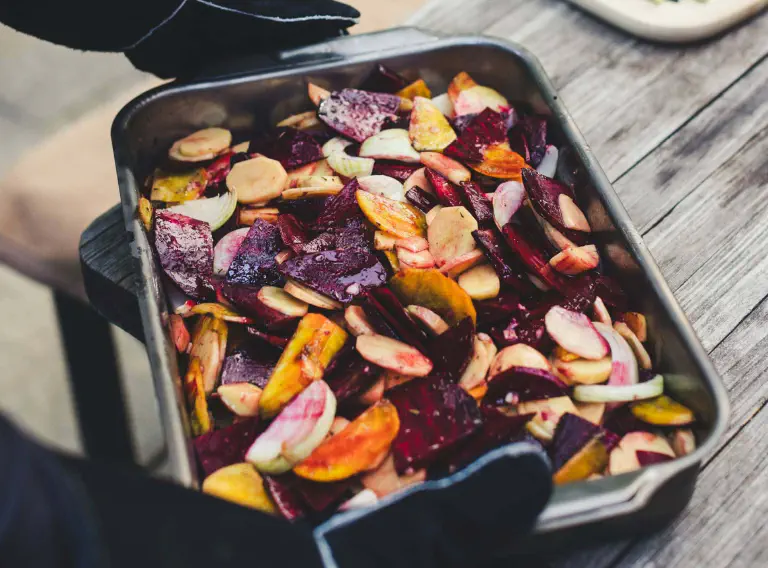
So on Sunday evening, you take about two hours to wash and chop the vegetables and roast them in a large baking dish while cooking the potatoes and rice separately. Let the components cool down and fill everything into clean boxes or jars. You can then combine the following dishes from the prepared ingredients:
- Monday: Roasted vegetables with potatoes (+ tomato sauce and herbes de Provence)
- Tuesday: Chop suey with rice (+ Asian spices such as ginger and soy sauce)
- Wednesday: Ratatouille with potatoes (+ broth and nutmeg)
- Thursday: Vegetable curry with rice (+ coconut milk and curry powder)
- Friday: Vegetable gratin (all leftovers + cheese)
The different spices give the vegetables a different flavor every day. Of course, you can add meat and other ingredients to the dishes to suit your own taste.
Template for your weekly meal prep plan #
To always have your favorite recipes at hand, you can create a list of all your meal prep dishes and note on which websites you found each dish. The free template from SeaTable is ideal for organizing your meal prep recipes clearly.
Simply enter the day on which you want to cook a dish next and keep creating new weekly meal prep plans in the calendar. Upload photos and let your gallery of possible dishes inspire you week after week. In two additional tables, you can record all ingredients in a shopping list and compare the nutritional values of your favorite dishes.
If you would like to use SeaTable for your weekly meal prep plan, simply register for free. Delete the sample recipes from the template and customize the meal plan to suit your needs.
TAGS: Everyday Life & Leisure