
The dog is man’s best friend – this is often said when it comes to the relationship between owner and pet. Yet the cat is Germany’s most popular pet, ranking first ahead of the dog. Rodents, fish and reptiles follow far behind. A pet brings you joy, is a soulmate or is simply beautiful to look at. But keeping a pet also involves work, because you are committing yourself for a long time and have to take the needs of your pets into account.
Here you can find out how to organize species-appropriate pet keeping and what conditions you and your household should meet in order to offer an animal a good home.
Does a pet fit into your life? #
The first question is whether there is room for an animal in your everyday life. You have to take responsibility for a pet for an indefinite period of time. You should ask yourself whether you can meet the individual requirements that your pet places on you.
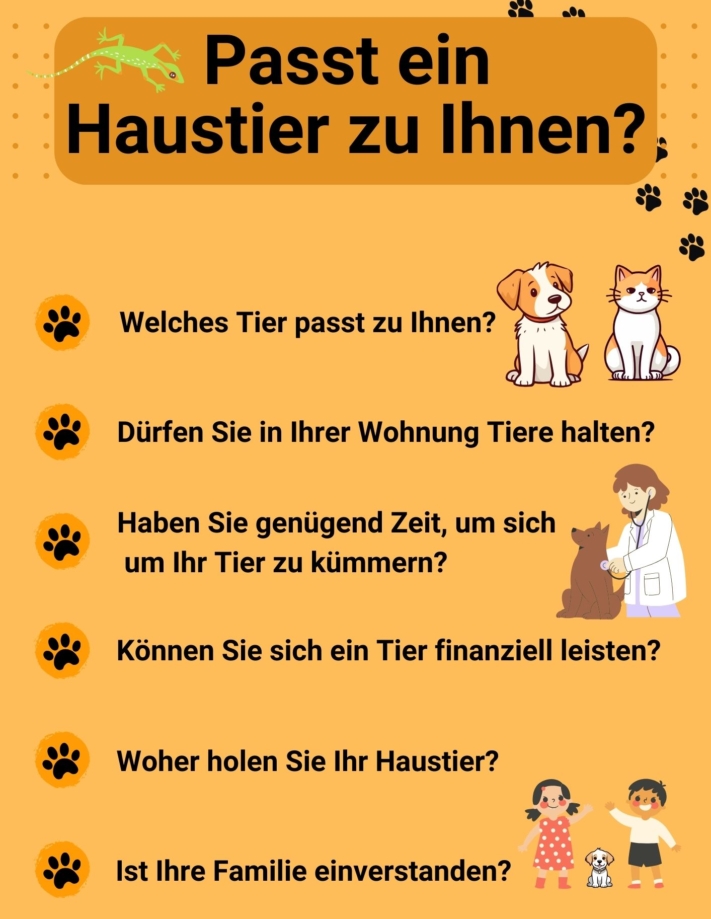
You should pay attention to this before you get a pet.
When is an animal considered a pet? #
When it comes to keeping animals, a distinction is made between farm animals, pets and wild animals. To be considered a pet, an animal must be kept by humans and live with them. This means that wild and farm animals can also become pets under certain circumstances. Depending on the legal regulations in your country, you can keep almost any animal as a pet.
In Germany, the term pet is mainly associated with typical representatives such as dogs, cats and rodents. However, exotic animals are also increasingly being kept as pets.
Exotic animals #
From Nemo the clownfish to Hedwig the snowy owl: popular animals that normally live in zoos or in the wild can increasingly be found in private households. With a few exceptions, you are allowed to keep exotic animals of all kinds as pets in Germany.
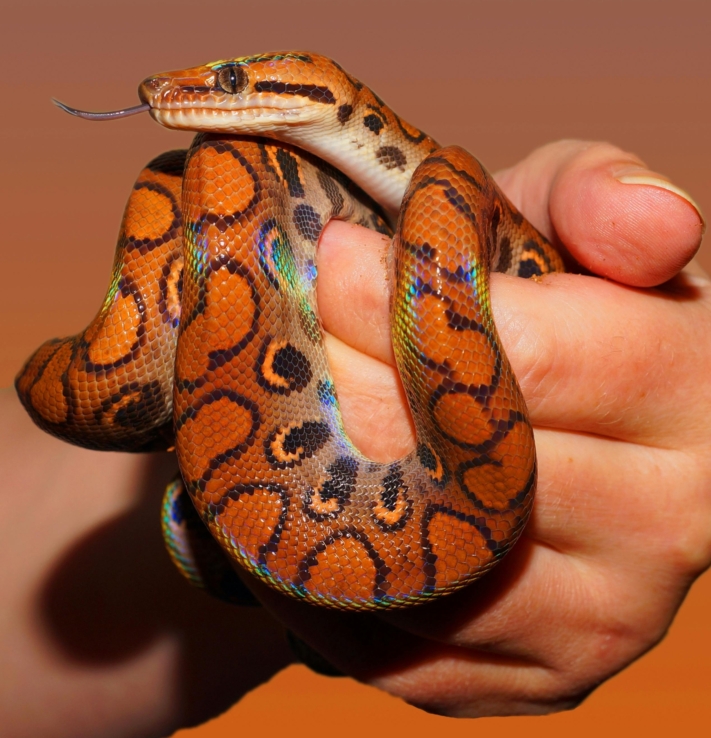
You may keep snakes subject to legal requirements, but you must report dangerous specimens.
Animals of a particularly rare or dangerous species may have a certain appeal, but they are very demanding to keep. This is because exotic animals need special food, are used to a different climate and often become too much for their owners to handle. Buying such animals over the Internet is strongly discouraged, as they are usually sold illegally and taken from their natural habitat for this purpose.
Keeping pets in a rented apartment #
Are you planning to bring home a new animal companion and are unsure whether you are even allowed to keep a pet in your apartment? Then it is advisable to take a look at your lease or contact your landlord directly. After all, you are not allowed to keep every pet without prior agreement.
What does the lease say about keeping pets?
What restrictions are there?
Which animals can I keep without permission?
Am I allowed to have pets in my apartment temporarily?
Keeping pets takes time #
Before you get a pet, you should be aware of the impact the animal will have on your daily routine. After all, animals take time. Whether it’s regularly taking your dog for a walk, giving your cat the cuddles it demands or preparing fresh food for your rabbit. Even small animals that require little attention but have enclosures that are time-consuming to clean take up your time.
Of course, in a household with several people, it makes sense to divide up the tasks involved in keeping a pet. To do this, it is a good idea to create a to-do list so that your pet never feels neglected.
If you are away for a longer period of time, for example because you are going on vacation, you should arrange care for your pet in good time. With rodents, it is often enough to ask friends and relatives to check on them from time to time and feed them. This is usually not enough for larger animals, as they need active exercise and closeness to people.
For longer vacations , you have the option of taking your pet to a pet boarding facility. If you have purchased your pet from a breeder, you can also ask them whether they offer vacation care. In any case, you should not leave your pet alone at home.
What you need for species-appropriate pet keeping #
The environment and care your pet needs depends on the size, species and character of the animal. Exotic and rare animals usually have higher requirements than those described here.
Basic equipment #
- Toys: To give your pet something to do while you are away or busy, you should get it suitable toys that will last a long time.
- Aquariums/cages: For small animal fans, setting up an enclosure and creating an appropriate environment is part of the deal. When buying a cage or aquarium, you should consider how much space, light and warmth your animal needs.
- Sleeping area: Animals that move freely around your home first have to get used to their new surroundings. Offer your pet a retreat that can also serve as a place to sleep.
- Feeding stations: To ensure that your pet has constant access to food and water, you should set up a fixed feeding station. This will make it easier for you to monitor your pet’s eating behavior .
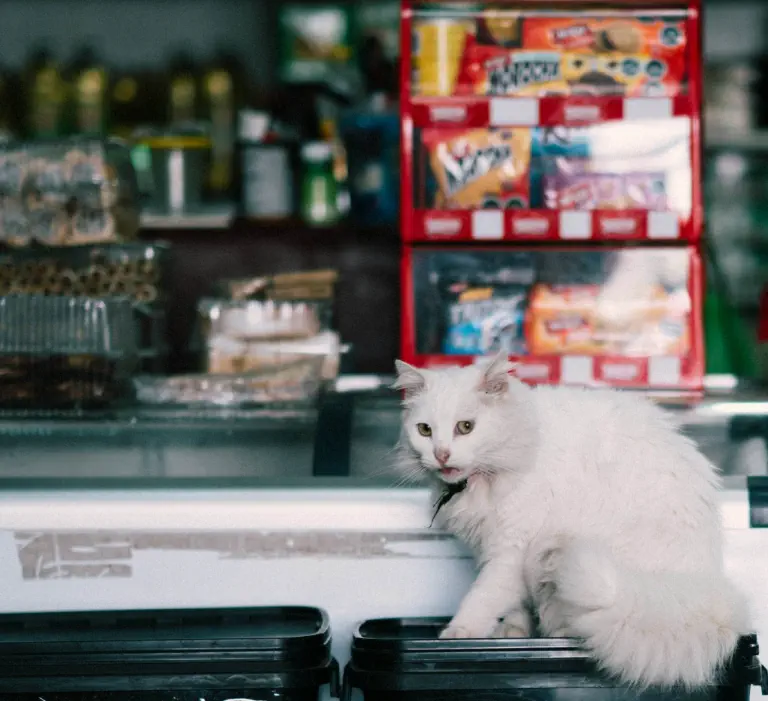
You can find everything your pet needs in pet shops.
- Pet carrier: The first thing your pet will see is the pet carrier. You will need it when you pick up your pet, for visits to the vet or while you are cleaning the cage.
- Collar/harness: To make sure you don’t lose your pet on walks, you will need a leash and a collar, preferably with the most important information about your pet in case it does get lost.
- Cleaning supplies: Your pet will only feel comfortable in a clean home . You should therefore clean all items used for keeping your pet regularly.
Nutrition #
You have a great responsibility when it comes to feeding your pet. As with humans, regular meals promote digestion and metabolism. Pay particular attention to the amount you feed your pet. This should depend on your pet’s body weight. Dogs and cats in particular sometimes loudly demand more and more food, which can lead to physical problems in the long term.
Animals don’t always eat what you put in front of them. In this case, it is a good idea to alternate between dry, canned and fresh food to whet your pet’s appetite. If that doesn’t work either, you can use treats for a short time.
Many of the foods we eat every day are toxic to animals. Dogs, for example, cannot tolerate chocolate and must also be kept away from many other foods . Therefore, make sure that you keep your food out of reach of your pets.
Your pet should always have access to fresh drinking water. This is particularly important for rodents. In addition, rodents need roughage such as hay and straw around the clock to keep their digestive system working.
Health #
You can tell whether your pet is well by its behavior and appearance. Typical signs of illness are, for example, loss of appetite, weight loss, vomiting, apathy or changes in coat. In these cases, you should visit the vet.

Dogs need enough exercise every day.
Care #
At best, caring for an animal is limited to feeding and cleaning the litter box. This is because most animals groom themselves. Nevertheless, older animals often need the support of their owners. Possible tasks include brushing, trimming claws and nursing them when they are ill.
But care can also mean that you want to pamper your pet. For such needs, there are, for example, dog groomers who can give your pet a makeover.
Keeping pets costs money #
If you want to have a pet, you have to be able to afford it . After all, pets can be quite costly, especially when expensive visits to the vet come up.
Purchase costs vary widely depending on whether you get an animal from a shelter or buy it from a breeder. In addition to food and care products, dog tax or pet insurance are also payable each month. For a rough guide, you can find the costs of the top 3 pets in Germany here.
Dogs #
- Purchase: 200 to 3500 euros
- Basic equipment: 70 to 300 euros
- Monthly costs: approx. 110 euros
Cats #
- Purchase: 100 to 2000 euros
- Basic equipment: 150 to 500 euros
- Monthly costs: approx. 70 euros
Small animals #
- Purchase: 50 to 200 euros
- Basic equipment: 100 to 300 euros
- Monthly costs: approx. 40 euros
When you should visit the vet #
Just like us humans, animals sometimes fall ill, but they often hide it from us. It is therefore necessary to consult a vet even if there are minor deviations from your pet’s normal behavior. Regular preventive check-ups can help to prevent illness.
When you take in an animal, you should go to the vet for an initial health check. Regular vaccinations and deworming are also necessary.
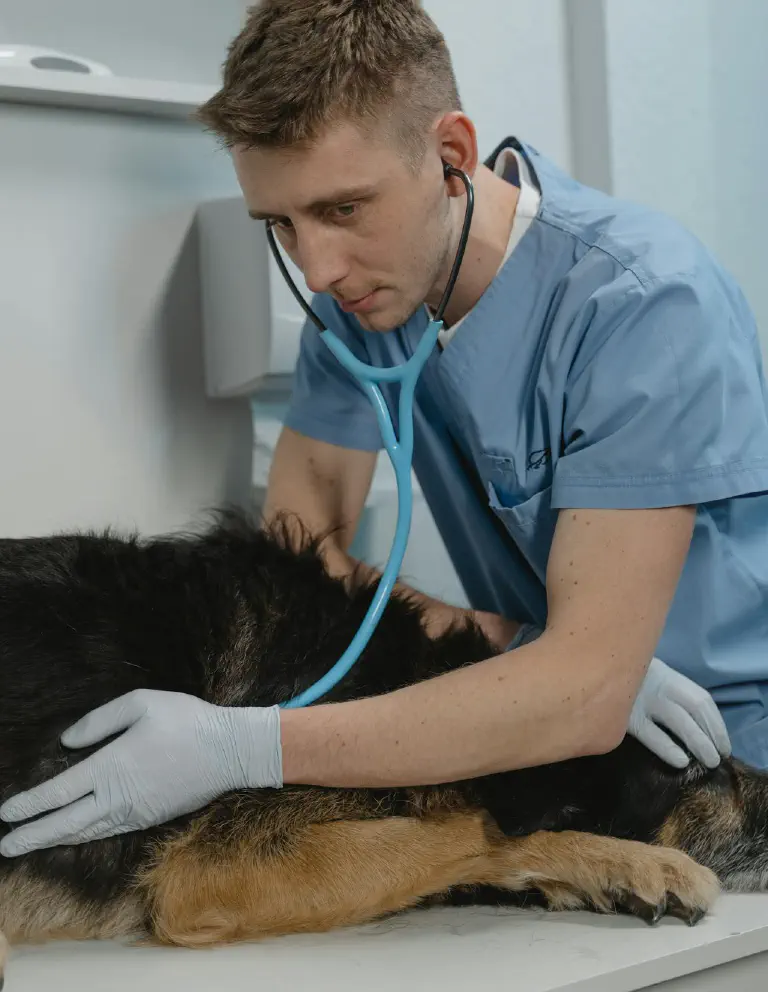
Preventive care is the be-all and end-all to give your pet a long life.
Where does your pet come from? #
From an animal shelter, a pet shop or a breeder – getting an animal is very easy. However, depending on the option, how species-appropriate the keeping conditions are, how high the price is and how exotic the animals are can vary greatly.
Animal shelter #
By adopting an animal from a shelter, you are giving an abandoned animal a new home and supporting species-appropriate pet keeping. Before you decide on an animal, you can get to know it well. At the shelter you will meet a wide variety of species and characters, some of which have had bad experiences in the past and need special attention.
Before you can adopt the animal of your choice, you will be screened to ensure that the animal will be given to a loving owner and a suitable home. Once this hurdle has been overcome, you only have to pay the adoption fee. The fact that the animals are always handed over vaccinated and dewormed saves you costs and a trip to the vet.
Pet shop #
A visit to the pet shop encourages impulse purchases. After all, small animals, food and accessories can be bought in one go. Nevertheless, buying an animal there often supports poor animal keeping. The animals are seen as commodities and usually come from breeding facilities. In addition, the small cages in which rodents and reptiles are displayed give a false impression of how much space you need for species-appropriate pet keeping.
Breeder #
An animal from a breeder is one thing above all: expensive. If you want a special pedigree cat or an exotic fish, you will find it here for the corresponding price.
Before you buy an animal from a breeder, you should check the breeder out. Because not all breeders do their job out of passion. Some act out of greed for profit, neglecting species-appropriate keeping and animal welfare. The animals may suffer from inbreeding, overbreeding or torture breeding, which is not apparent when you buy them and can cause you costly problems later on.
Private sellers #
When buying privately, there are big differences depending on whether you want to buy an animal on eBay or adopt a puppy from your neighbors’ dog. Caution is advised, especially when buying online. This is because you cannot judge from pictures alone whether an animal is healthy or has been kept well.
Look at reviews of the seller and ask for more pictures and information about the animal. You should also not buy the animal without meeting it in person first. This will quickly tell you whether the seller is trustworthy. Make sure that you receive a purchase contract that you can fall back on if your pet turns out to have undiscovered illnesses.
A pet for the whole family #
For children, the question of whether or not they want a pet is easy to answer. They are often the ones who initiate this wish. Because in their minds, a pet is a loyal companion who loves to cuddle with them and loves them unconditionally. Only the parents know that not all animals meet these expectations and that keeping a pet involves a lot of work. You should therefore discuss getting a pet in detail with your children.
If the wish for a pet comes mainly from the children, parents often opt for an easy-care small animal. However, rabbits, guinea pigs or hamsters hardly satisfy children’s desire for closeness and cuddles. Quite the opposite: they are usually shy and mucking out requires a lot of work. This is why rodents are particularly suitable for children who enjoy observing and caring for animals and are able to give them their space.

It is important for children to learn to respect the animal’s boundaries.
By caring for animals, children can learn to treat other living creatures with respect and take responsibility. Despite the positive learning effect, interest in the animals usually wanes over time and the work is left to the parents. Therefore, getting a pet should always be tied to conditions. If your child no longer shows any interest and you hardly have any time to care for the animal yourself, the long-awaited purchase will result in a quick handover to an animal shelter. So make sure beforehand that you can do justice to the animal in the long term.
Free app for keeping your pets #
When you get a pet, there is a lot to consider. SeaTable offers you a simple, efficient and free solution that allows you to collect and view the most important data about your pets in one place.
With the pet care template you can:
- Create profiles and note down health data
- Keep vet bills, ID documents and other paperwork
- Plan who will look after the animal and when
- Document what you have fed and when
- Organize care for your vacations and absences
- Record expenses and calculate costs
If you would like to use SeaTable for keeping your pets, simply register free of charge. You can find the corresponding template with sample entries here .
TAGS: Everyday Life & Leisure