
Key Takeaways #
- Geocaching is a modern treasure hunt in which you use GPS coordinates to find hidden cache containers.
- Each cache usually contains a logbook for you to sign and often small items to trade, known as trackables.
- There are different types of caches: Traditional caches lead directly to the destination, Multi-caches consist of several stages, and Mystery caches include puzzles that must be solved in advance.
- You can also organize children’s birthday parties around geocaching by incorporating custom routes, puzzles, and small treasures.
- SeaTable is ideal for planning your own geocaching routes. You can record GPS coordinates, plan stations, document puzzles, logically link tasks, leave clues, create digital logbooks, and generate reports.
Geocaching – What Is It? #
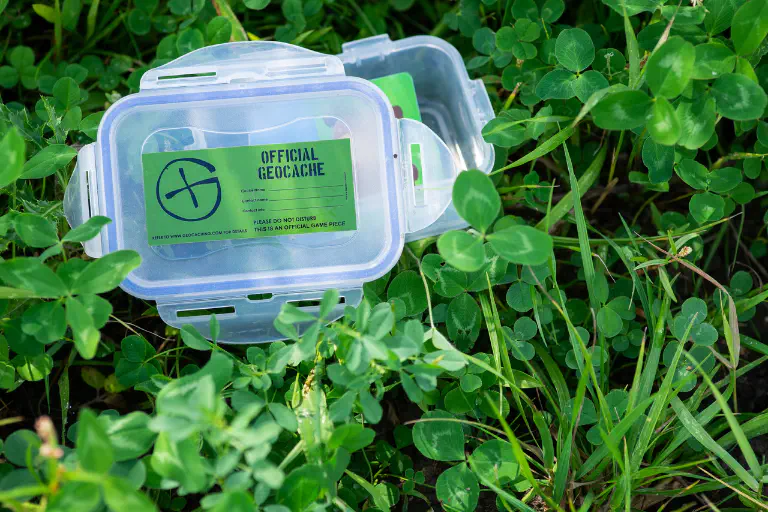
Geocaching is a hobby that uniquely combines technology and adventure. Using GPS coordinates, you search for small hiding spots in your area that other people have placed there beforehand. These hiding spots are called caches and usually contain a logbook, though sometimes they also include small items for trading.
You select a cache, let your smartphone or GPS device guide you to the destination, and begin the actual search once you arrive. This is precisely where the appeal lies, as you need focus, patience, and a keen eye for detail to notice things that are often overlooked in everyday life.
What Types of Caches You Can Expect #
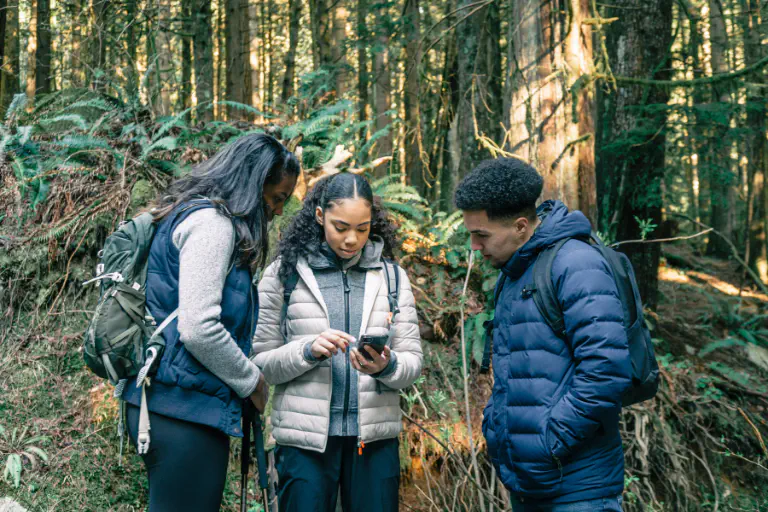
Over time, you’ll encounter various types of caches while geocaching, each offering its own challenges and ways to play. Each of these cache types contributes in its own way to ensuring that geocaching never gets boring. They require different skills, present new challenges, and allow you to experience adventures of varying intensity.
Traditional Cache
Multi-Cache
Mystery Cache
Trackables
Play Geocaching for Free: How to Get Started #
You can play Geocaching for free and get started right away. You probably already have everything you need in your pocket. Search online for the coordinates of a geocache located near you. To start, choose simple hiding spots so you can quickly experience your first successes and get a feel for the game.
Your smartphone handles the navigation, but a small pen is also part of the basic equipment so you can sign the logbook after finding the cache. If you like, bring along some small items. You can trade these with others and make the experience more personal. The more often you go geocaching, the better you’ll understand typical hiding spots and develop your own strategy.
Step-by-Step Guide: Finding Your First Geocache #
To make sure your first geocaching hunt is a real success, it’s worth knowing a few basics. With these simple steps and helpful tips, you can ensure right from the start that your hunt is fun, goes smoothly, and that you enjoy the adventure to the fullest.
- To ensure your first find is a success, prepare carefully. Choose a cache with a low difficulty rating and read the description carefully. Many clues are hidden right there.
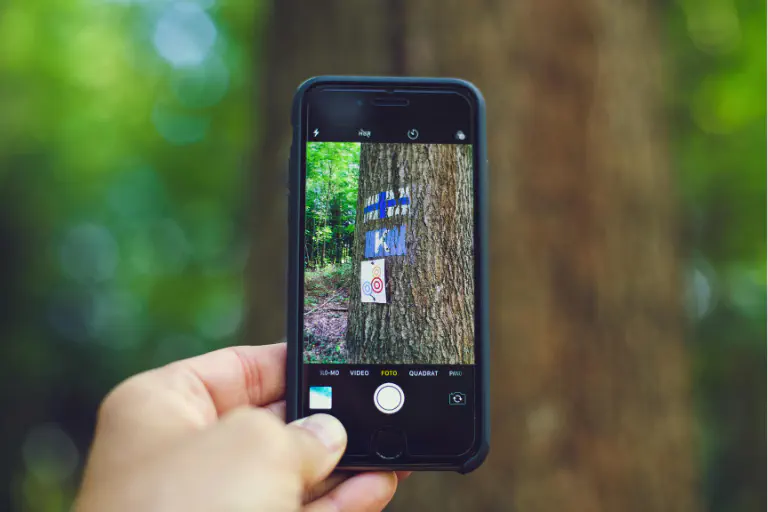
- The GPS coordinates will guide you step by step to your destination. Just before reaching your destination, slow down and carefully observe your surroundings. GPS accuracy can sometimes vary slightly, so it’s worth taking a closer look.
- Look for places that seem unusual. Carefully lift rocks or check small hiding spots near trees and railings. With a little patience, you’ll discover the cache.
- Once you’ve found the cache container, open it carefully and sign your name in the logbook. This moment is one of the best parts of geocaching, because you’ve reached your destination.
- Make sure to leave everything exactly as you found it. This way, you’ll ensure others have a successful experience too. Try to be as inconspicuous as possible, because so-called Muggles shouldn’t discover the hiding spot.
What to Keep in Mind When Hiding Geocaches #
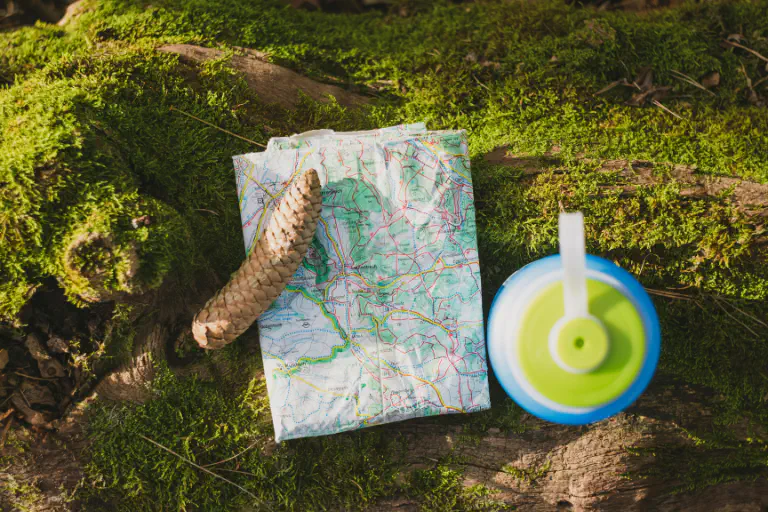
If you want to hide geocaches yourself, you’re giving other players the chance to experience an unforgettable adventure. To ensure safety, fun, and fairness, there are a few important points to keep in mind. First, choose a suitable location. The spot should be exciting but also safely accessible and should not harm the environment. Avoid sensitive areas such as nature reserves, private property without permission, or places where people could be endangered.
Also, plan the type of cache and the hiding spot carefully. For example, consider how large the container should be, what clues you want to provide, and how you can incorporate puzzles or tasks into the search. Make sure the cache is well-camouflaged but still findable by experienced geocachers. Another important aspect is maintaining the geocaches. Check regularly to ensure the logbook is intact, the trade items are still complete, and the cache remains secure in its location. This is the only way to ensure your cache brings long-term enjoyment and the community can continue to use it.
Geocaching at a Kids’ Birthday Party: The Ultimate Outdoor Adventure #
If you’re planning a special children’s birthday party, a geocaching birthday party is an excellent choice. It creates an experience that excites children while also providing exercise in the fresh air. You can customize the route and adapt it to the children’s ages. Incorporate a short story to accompany the search. Children love to slip into roles and immerse themselves deeply in the adventure.
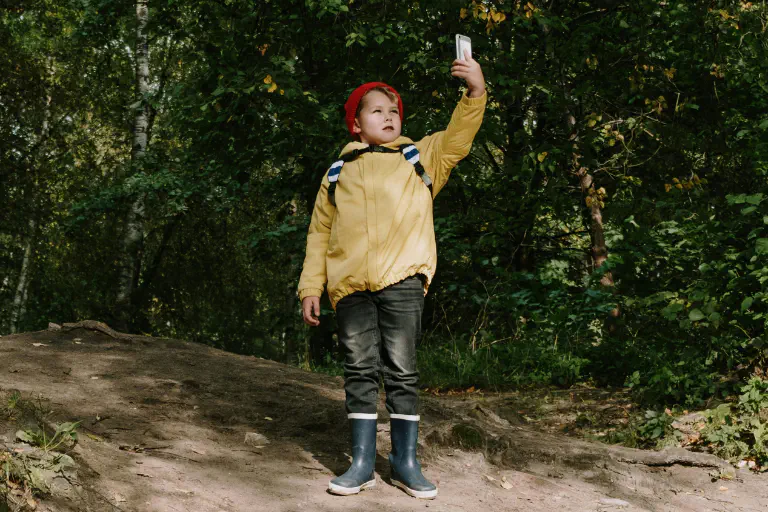
Test the route in advance to ensure everything runs smoothly on the big day. Make sure the paths are easy to navigate and that the duration suits the group. Small puzzles along the route add extra excitement. Ideally, a treasure awaits at the end to make their eyes light up. A successful kids’ birthday party with geocaching thrives on precisely this moment when the group reaches a goal together. This way, you naturally foster teamwork and creativity while the children help each other and experience how much fun discovering things together is.
Organized Planning: Why SeaTable Is the Ideal Tool for Geocachers #
As soon as you start planning your own tour or even a geocaching birthday party for kids, you’ll be gathering a lot of information all at once. You’ll need to figure out suitable GPS coordinates, develop checkpoints, come up with puzzles, and decide where each cache container should be placed. Without a good system, you’ll quickly lose track of everything.
With SeaTable’s free template, you can plan your entire geocaching route step by step. You can record each station, note down clues, and logically link tasks together. This way, an initial idea gradually evolves into a well-thought-out treasure hunt that feels cohesive for your participants.
This structure is especially helpful when organizing a children’s birthday party with geocaching. You can tailor the content specifically to the children’s ages while keeping the overall flow of the event in mind. You can consciously decide when a puzzle can be a bit trickier and when a quick success will boost motivation. This allows you to actively shape the experience and avoid common planning mistakes.
Through the handy app, your participants can access GPS coordinates, clues, and even a digital logbook right on the go. You don’t have to hand out pieces of paper or explain information multiple times—instead, you provide everything in one central place. This ensures a smooth process and leaves more room for the actual adventure.
Things get especially exciting after the event. With the built-in analysis tools, you can quickly see how well your planning worked. You can compare your own assessment of the difficulty or terrain with the actual feedback from your participants. This way, you learn from every tour and can specifically refine your next geocaching experiences. Register for free to get started right away.
Pro Tips for Advanced Geocachers #
As you delve deeper into geocaching, your options expand significantly. You’ll discover more challenging caches, try out new techniques, and use specialized equipment to reach places that remain hidden to others. For example, UV lamps help you reveal hidden clues, and magnetic wands let you retrieve caches from unusual hiding spots.
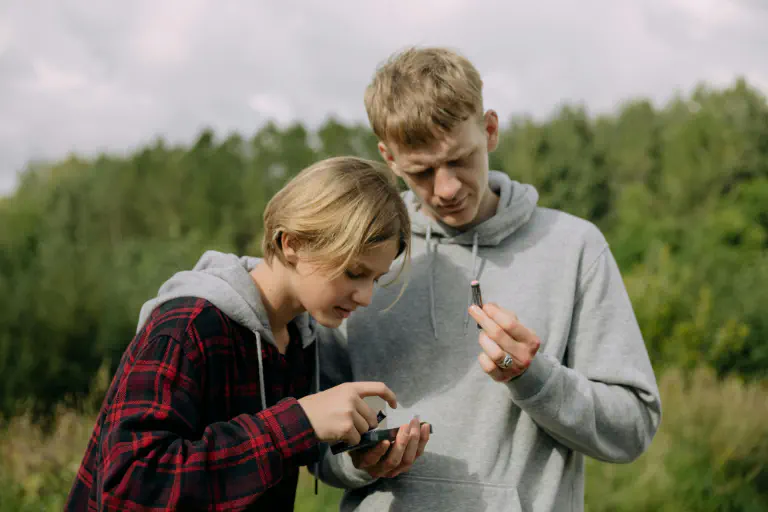
You might want to hide a cache yourself someday. In that case, choose a location that is both exciting and safe. Obtain the necessary permits and be mindful of the surrounding area. Check on your cache regularly to ensure it stays in good condition and brings joy to others. This way, you’ll create experiences that will be remembered for a long time.
FAQ – Frequently Asked Questions About Geocaching #
What is geocaching?
Does geocaching cost money?
What is a Muggle in geocaching?
Can you hide caches anywhere?
What should you do if you can't find the cache?
TAGS: Everyday Life & Leisure