
For many people, tidying up is not one of their favorite activities—yet it is always necessary. Organizing the closet in particular is often put off, even though this is precisely where there is great potential for more structure in everyday life. The closet is a central part of your daily routine and has a significant influence on how relaxed or stressful your start to the day is.
Over time, clothes that you rarely or never wear accumulate. Seasonal items remain hanging even though they are not currently needed, and small amounts of clutter quickly add up to a confusing overall picture. This not only costs you space, but also time and nerves.
Key Take-aways #
-
A messy wardrobe costs time, nerves, and money because it takes longer to find outfits and leads to bad purchases and duplicate items.
-
Structure in the wardrobe creates clarity and calm, makes decisions easier, and ensures a relaxed morning routine.
-
Methods such as Marie Kondo or Capsule Wardrobe improve the use of clothing, promote sustainable consumption, and support personal style.
-
Digital tools complement physical organization, enable inventory management, outfit planning, and analysis of wearing habits, and make your wardrobe clear and functional in the long term.

When your wardrobe becomes a source of stress #
A disorganized closet rarely remains without consequences. What initially looks like a little mess can quickly become a real source of stress for you. Confusion means that your favorite items are forgotten or difficult to find. You overlook clothes, mix up piles, and the overall picture looks chaotic. This creates the feeling that you don’t have anything suitable to wear, even though your closet is actually well stocked.
Duplicate items are another consequence of a lack of structure. If you don’t have an overview, you may end up buying similar basics multiple times. For example, you may accumulate several white shirts or black pants, while other items of clothing are hardly ever worn. Bad purchases also become more frequent if there is no clear system of organization in your closet. Items that don’t fit properly or are difficult to combine take up space permanently, even though you hardly ever use them.
Added to this is the time lost in the morning. Finding a suitable outfit takes longer, decisions become more difficult, and your start to the day becomes unnecessarily hectic. At the same time, the amount of unworn clothing grows. Items that you haven’t worn for months or even years are taking up valuable space. Targeted organization helps you identify these problems and avoid them in the long term.
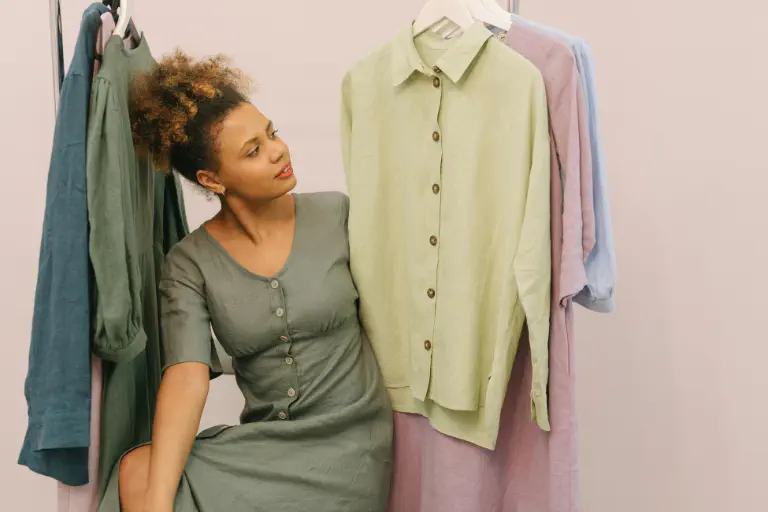
The underestimated advantages of a perfectly organized wardrobe #
Organizing your wardrobe in a structured way has several benefits. The first noticeable effect is a better overview. You can see at a glance which items of clothing you have, which ones you wear frequently, and which ones you hardly ever wear. This creates clarity and makes decisions easier. A better overview automatically means less stress. You save yourself long searches, avoid spontaneous wrong decisions, and start your day more calmly. A tidy closet makes for a more relaxed morning routine.
What’s more, you’ll be promoting sustainable consumption. When you know exactly what you own, you shop more consciously. Unnecessary duplicate purchases and spontaneous impulse buys become less frequent because you can realistically assess your wardrobe. This also has a positive effect on your budget . Those who make targeted additions to their wardrobe instead of buying new items indiscriminately save money and invest more consciously in high-quality pieces that can be worn for a long time.
Last but not least, clear structures enable better outfit combinations. You can quickly see which pieces can be combined with each other, discover new styling options, and use your existing wardrobe much more effectively.

Smart methods and trends for a tidier wardrobe #
Since the topic of “organizing your wardrobe” affects us all, numerous strategies have been established in recent years that make everyday life much easier. Below, we present the best-known and most up-to-date approaches that you can implement right away.
Marie Kondo method #
With the Marie Kondo method, you start by consciously examining your clothes. Ask yourself whether each item really brings you joy. Anything that doesn’t make you happy can go. In addition, the space-saving folding technique and vertical storage ensure maximum clarity of your inventory.
Furthermore, this method follows a clear basic principle. You don’t focus on throwing things away, but on consciously keeping them. This change of perspective makes decisions easier and reduces the feeling of sacrifice. By picking up each item of clothing individually, you actively engage with your style, your needs, and your everyday life. In the long term, you will end up with a tidy closet that is not only structured but also clearly reflects your personal style.

Capsule Wardrobe #
The capsule wardrobe helps you minimize your wardrobe and combine items in a meaningful way. You select a small number of high-quality, coordinated garments that can be easily combined with each other. Essentially, it’s about putting quality before quantity. You define a clear color palette and focus on timeless cuts that are versatile and wearable. This creates a harmonious overall look that emphasizes your style while remaining flexible. A reduced wardrobe not only makes it easier to choose your daily outfit, but also creates mental clarity. You invest more consciously in durable materials and reduce impulse purchases. At the same time, you can quickly identify which items are actually missing and which purchases would be superfluous. This results in more sustainable consumer behavior and a wardrobe that is both functional and aesthetic.
Organize your wardrobe digitally #
Another trend is the digital wardrobe. You record your items in an app, put together outfits virtually, and immediately see which clothing categories dominate. This saves time, supports conscious shopping, and makes it easier to use your wardrobe efficiently. Digital recording also gives you valuable insights into your wearing habits. This transparency creates a data-based foundation for future purchasing decisions. Digital tools also allow you to plan outfits in advance and take special occasions into account. You can keep track of seasonal changes and tailor your wardrobe accordingly. The ability to store images is particularly helpful. This creates a visual overview that makes it easier to combine items and encourages new styling ideas. A digitally organized closet combines order with analysis and supports you in the long term in dealing with your clothes in a structured and conscious manner.

10 hacks for organizing your closet #
A closet organization system only seems overwhelming until you know where to start. That’s why we’ve put together 10 practical hacks to help you tidy up your closet in no time.
1. Start with a completely empty closet #
The first step is consistent and particularly effective. Empty your closet completely and lay out each item of clothing so that it is clearly visible. This will allow you to see at a glance how extensive your wardrobe actually is. Taking stock like this creates clarity and helps you understand which items you wear regularly and which ones have been largely ignored.
2. Sort according to the Marie Kondo method #
Pick up each item of clothing individually and honestly assess whether it still suits your style and everyday life. Only keep items that you enjoy wearing and feel comfortable in. Everything else can go. You can sell, donate, or recycle clothing.
3. Create clear categories #
Structure is the basis for lasting order. Divide your clothes into meaningful groups such as tops, pants, dresses, jackets, shoes, and accessories. It’s easier to keep track of things within these groups. A fixed classification ensures that each item has its place and can be easily put back after wearing.
4. Arrange by color or style #
Once you have your categories, you can create additional clarity by sorting within the groups by color. Arranging from light to dark creates harmony and makes it easier to put together outfits. Alternatively, you can arrange by style, such as elegant, sporty, or casual. This allows you to identify matching combinations more quickly and creates a calm overall look in your closet.
5. Reduce your wardrobe in the spirit of a capsule wardrobe #
A manageable selection of high-quality and easily combinable garments brings more clarity to your everyday life. Focus on timeless basics and selected favorite pieces that are versatile. With fewer items, you can often create more harmonious combinations. At the same time, you avoid unnecessary purchases and develop a clearer personal style.

6. Rotate your clothes according to the season #
Store seasonal clothes outside your main closet when they are not currently needed. If only items suitable for the current season are in the closet, it will automatically look tidier. You will also gain space and avoid individual items getting lost among unsuitable clothes. A seasonal change also provides an opportunity to review your wardrobe.
7. Take advantage of well-designed storage solutions #
Uniform hangers create a calm appearance and save space. Boxes and inserts help to store smaller items neatly. It is important that every item of clothing and every accessory has a designated place. A clearly defined system makes it easier to maintain order in the long term and prevents clutter from creeping back in.
8. Plan your outfits in advance #
Planning your outfits for the week ahead will help you start your day feeling more relaxed. Hang matching combinations next to each other or lay them out ready to grab. This will save you from frantically searching for items and unnecessary rearranging. At the same time, you’ll see which pieces are particularly versatile and can be combined frequently.
9. Capture your favorite outfits #
Record successful combinations, for example with photos on your smartphone or in a note list. Over time, this will create a personal collection of tried-and-tested looks. This overview saves time for spontaneous occasions and shows you which items of clothing you wear most often.
10. Maintain a digital wardrobe #
Record your clothing items in an app or digital tool. This will help you keep track of your wardrobe, avoid unnecessary duplicate purchases, and plan your wardrobe more efficiently. You will also receive a statistical analysis of how you use your clothing. You will see which items you wear particularly often and which ones you hardly ever wear. This data will help you make more informed purchasing decisions in the future and optimize your wardrobe in a targeted manner.

Organize and digitize your wardrobe with SeaTable #
If you want to tackle the task of organizing your wardrobe consistently, it’s worth taking a look at the appropriate template from the AI no-code platform SeaTable. It combines structure, overview, and analysis in one system and adds a digital layer to your physical organization. Record your entire wardrobe digitally with relevant information and images to create a visual overview of its contents. This not only helps you plan outfits, but also gives you a realistic assessment of your actual inventory.
A particular advantage lies in the intelligent linking of your clothing with specific outfits. You can see which items you combine frequently and which ones you hardly ever wear. Integrated views such as a gallery or calendar allow you to plan your looks in advance in a structured manner and take appointments or special occasions into account early on. The template also offers clear added value in terms of conscious consumption. With a digital wish list, you can prioritize planned purchases and avoid spontaneous mispurchases. At the same time, statistical evaluations provide valuable insights into your usage. For example, you can see which categories dominate or where you can sensibly add to your wardrobe.
The integrated app bundles all functions in a clear dashboard. You can add new items on the go via a web form, analyze your outfits, and manage your wardrobe flexibly. The result is a well-designed system that saves you time in the long run, makes your purchasing decisions more informed, and takes the organization of your closet to a new level.
FAQs #
How do I organize my closet?
What is the Marie Kondo method?
What kind of organization system is available for the wardrobe?
What is a digital wardrobe?
How can I keep my closet tidy in the long term?
To create lasting structure, it is not enough to organize your wardrobe once. Clear routines in everyday life are crucial. For example, schedule a fixed date at the beginning of each season to check your wardrobe, rearrange it, and sort out any items you no longer need. This will prevent unnecessary items from accumulating again.
Another helpful tip is to follow a simple rule when buying new items. Shop consciously and check in advance whether the new garment goes with several items you already own. This will keep your wardrobe coherent and manageable.
In addition, a digital overview helps you to regularly reflect on how you use your clothes. Once you recognize which items are rarely worn, you can make targeted adjustments. With fixed habits, clear categories, and conscious purchasing decisions, your wardrobe will remain permanently organized and suitable for everyday use.
TAGS: Everyday Life & Leisure